The Latest Smartphones Now Support Wi-Fi 7: Should Your Home Network Upgrade?
A practical breakdown of Wi-Fi 6 versus Wi-Fi 7 so you can decide whether your home network should upgrade now or later.
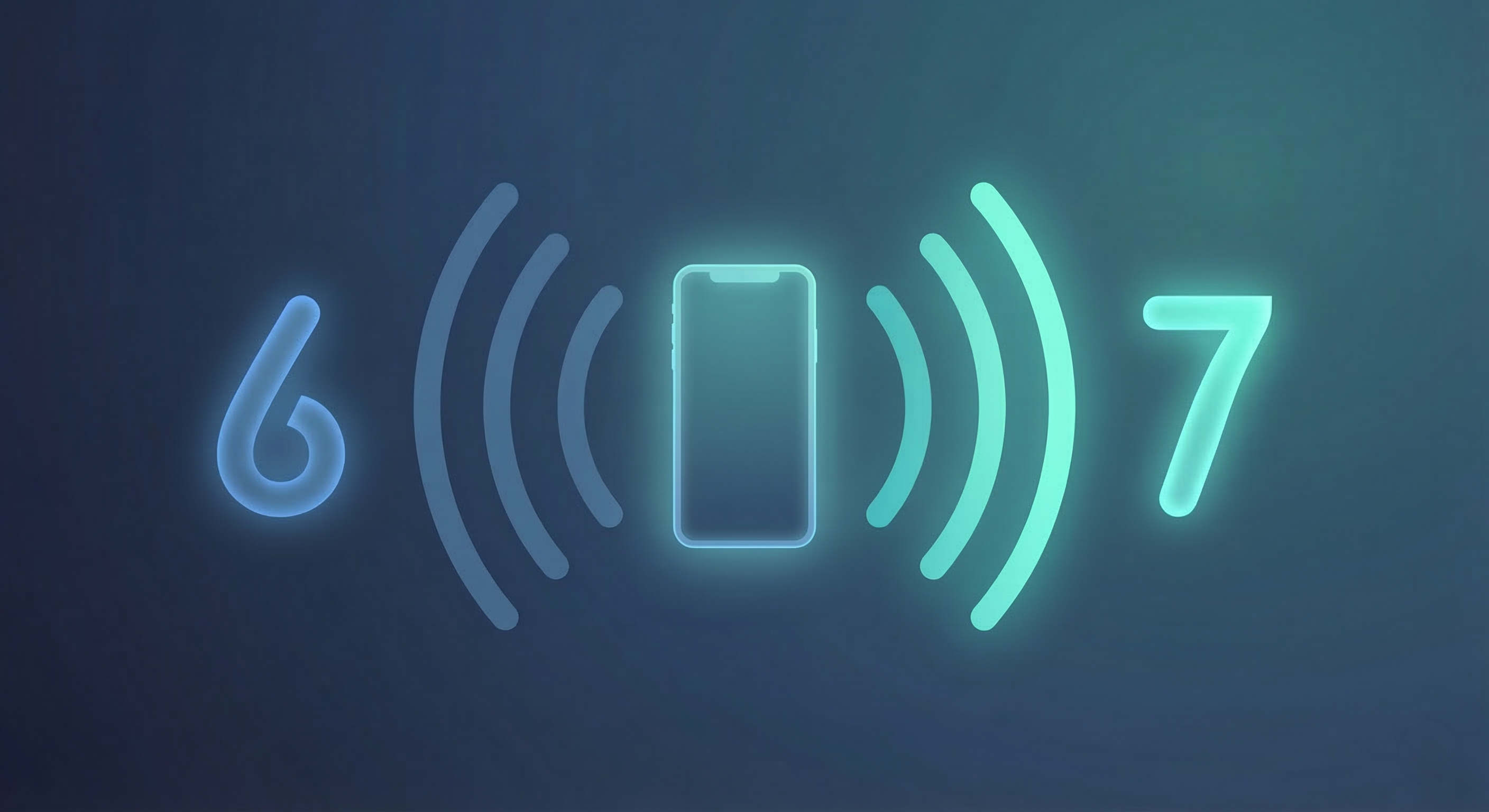
Why Everyone Is Talking About Wi-Fi 7
The latest flagship smartphones now support Wi-Fi 7, including Samsung Galaxy S24 Ultra, Apple's iPhone 16 lineup, and Google's Pixel 9 lineup.
If your phone is ready for Wi-Fi 7, your home network may be the bottleneck. Understanding Wi-Fi 6 versus Wi-Fi 7 helps you decide whether to upgrade now or wait.
Wi-Fi 6 vs Wi-Fi 7 at a Glance
Wi-Fi 6 (802.11ax) improved speed and efficiency over Wi-Fi 5 and still serves most homes very well.
Wi-Fi 7 (802.11be) is the next major leap, built for higher throughput, lower latency, and stronger multi-device performance in demanding environments.
- Wi-Fi 6: typically great for plans under 1 Gbps and everyday streaming, calls, and gaming.
- Wi-Fi 7: built for gigabit-plus speeds, dense device environments, and advanced real-time workloads.
- Wi-Fi 6E sits in between by extending Wi-Fi 6 into the 6 GHz band.
What Makes Wi-Fi 7 Different
Wi-Fi 7 increases peak theoretical speeds dramatically and doubles max channel width to 320 MHz in supported bands.
It also adds Multi-Link Operation (MLO), which can use multiple bands more intelligently to reduce latency spikes and improve consistency.
- Up to 46 Gbps theoretical throughput in ideal conditions.
- 320 MHz channels for larger data pipes.
- Multi-Link Operation for better responsiveness under mixed traffic.
- Higher modulation efficiency for faster data delivery.
Should You Upgrade Your Home Network?
If your current Wi-Fi 6 setup performs well and your internet plan is modest, there is no urgent need to replace everything.
If you have a larger home, many connected devices, heavy smart-home usage, or a gigabit-plus plan, Wi-Fi 7 can deliver a noticeable improvement.
In apartments and condos, Wi-Fi 7 can help in crowded RF conditions, but channel planning and access point placement still matter.
Frequently Asked Questions
Is Wi-Fi 7 worth it on a 500 Mbps plan? Usually only modest gains, unless your current network is overloaded or poorly designed.
Does Wi-Fi 7 help in crowded neighborhoods? It can, especially with newer spectrum and better multi-link behavior, but good design is still required.
Will older devices work on a Wi-Fi 7 network? Yes. They remain compatible but do not get full Wi-Fi 7 performance.
Should you upgrade now or wait? If your current network is stable, waiting is fine. If you want future-proofing and better high-demand performance, upgrading now can make sense.
Bottom Line
Wi-Fi 6 remains a great value for many homes and still handles most workloads reliably.
Wi-Fi 7 is the better fit when your device mix, internet plan, and usage patterns demand more speed, lower latency, and stronger efficiency.
The best choice depends on your current pain points, not just the newest label on a router box.
Need this implemented in your space? We design and deploy stable, high-performance networks for homes and businesses across Greater Austin.